

DMC Cable TV : ค้นหาหนังสือธรรมะ หน้า 420 / 615
หน้าหนังสือทั้งหมด
166
Meditation Centres Worldwide Contacts
Neeni Kaevlin
Chief of Staff General Manager
Tel. (562) 695-0167
Cell. (626) 675-9369
Email: [email protected]
加拿大(Canada)
渥太华(Ottawa)
Co-ordination Office
354 Breckenridge Cres. Ott
这份文件提供了加拿大、澳大利亚、新西兰和所罗门群岛的冥想中心联系信息。其中包括每个中心的地址、联系电话和电子邮件。冥想中心旨在促进冥想实践与社区参与,鼓励个人在各自的地区进行内心的平静和冥想。有关更多信息,请访问 dmc.tv。
169
达尼丁修行中心开幕典礼
追随者们的见解
“上个星期天,2007年1月21日,我很荣幸能参加在纽约兰迪丁修行中心具有历史性的开幕典礼。我知道了是为了建立这个中心,许多人在过去几个月里都付出了许多努力。我很高兴比丘们、工作人员和在众的努力与热诚都为成果。在中心开幕的那天早上,场的一切都用花架与供品装饰得非常美丽。虽然在达尼丁还是雨季,仍然有许多远自因沃卡吉尔(音译)和奥马达(译音)来的人都赶来参加这项大功德活动。大家理解由
2007年1月21日,达尼丁修行中心隆重开幕。此活动凝聚了众多人力,展现了佛教信众的努力与热诚。尽管是雨季,众多来自沃卡吉尔和奥马达的人们参与了这一盛事,跟随素达摩法师的翻译,共同学习静坐,传递和平的理念。此中心的成立无疑将为达尼丁社区带来积极影响,推动世界和平。感谢法胜师父的智慧与奉献,期待未来的益处。有关更多信息,请访问 dmc.tv。
180
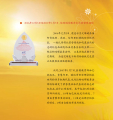
荣誉奖状颁发予法身基金会主席
2006年12月3日及2007年1月7日,协助国家赈济水灾的荣誉奖状
2006年12月3日,遭受水灾之难的泰国阿育他耶、昂统、信布里和猜纳四府的代表,一致认同将此荣誉奖状和代表该府标志的纪念品颁发给法身基金会的主席——帕拉帕哇那威素法师,以表彰他在整个水灾期间,为灾民不断捐助救灾包裹以及提供流动医药服务。
此外,2007年1月7日,泰国教育部和巴统他尼副都统他里,素攀布里,暖他布里和那空他农四府
在2006年12月3日和2007年1月7日,泰国多个府代表颁发荣誉奖状及纪念品给法身基金会主席帕拉帕哇那威素法师,以表彰其在水灾期间对灾民的持续支持,包括捐助救灾包裹和提供医疗服务。共计41项奖项来自教育部和各府。详细情况请访问 dmc.tv。
212
为实现世界和平而静坐——法胜师父
为实现世界和平而静坐——法胜师父
由单盘的静坐势开始,将右脚放在左上,将右手放在左手上,右手的食指轻轻地碰触左手拇指,然后再将双手轻轻地放在内足踝上,坐得时候身体和头要保持垂直。如果你不能以这种姿势坐下,也可以坐在椅子或沙发上,调整好自己感到舒服的姿势,直到感觉的呼吸顺畅。轻轻地闭上眼睛,犹如要睡着一样。
然后,做两,三次的深呼吸。深深入气,直到你感到空气进入你的肚子。慢慢地呼气,当你吸气时,
本文介绍了一种简单的静坐方法,以帮助实现内心的和平与放松。首先,保持正确的坐姿,右脚放在左腿上,手势轻松。接着,进行深呼吸,将空气吸入腹部,并在呼出时放下担忧与压力。在放松全身肌肉的过程中,感受心灵的开朗与轻松。此方法适合任何人,无论是在地板上,椅子还是沙发上,都可以找到舒适的姿势,直到呼吸恢复顺畅。通过这种方式,希望能够感受到幸福与快乐的每一个细胞,进一步促进内心的宁静与清新。 dmc.tv
213
身心放松与内在平静的冥想
清新、纯净、光明。清除心里所有的念头,有如只有你一个人在一个
清新、空旷、充满自由与和平的地方;想象你的身体是清净与真实的,
你可能会觉得身体很轻盈,犹如你周围的环境合而为一。
然后引导你的心放在身体中心点,就在肚子的中央,从肚脐的位置
再提高两根手指的距离。我们不需要寻找确定身体中心点的那一点在那
里,只需要继续将你的心轻轻柔地放在身体中心点的范围,当在做这件事
时,同时也要懂得放松你身心的
本节内容强调通过冥想让身心达到放松与平静。想象置身于一个清新、空旷、自由的地方,心思集中于身体中心,保持轻松与放松。同时,可以借助想象一颗清澈的水晶球,帮助心灵的净化与离苦。建议默念佛号,如“三玛阿罗汉”,以增强冥想效果。最终目标是实现心灵的静止与宁静。适合需要放松的读者。了解更多内容可访问 dmc.tv。
216
助助者名单及特殊贡献者
助助者名单
荣誉助印者
คุณยาหอาจารย์มาตรตะวณอุบลนกงวัดพระธรรมกายไหว้วัน
พระสมเกียรติ ปญฺญาเตโช
คุณอุทัย คุณวัฒน์ แนน ระวังมัย
李 昭 智
特殊助印者
วัดดาวเทาหวาน
พระพิพํธิ์ ชุนฤาโห
พระสาวรึ อากาโมภ และสาธรรมิก
คุณจิว ทรัพ
本页展示了助助者名单及特殊贡献者的详细信息,包括荣誉助印者及助印者的名字和寺庙,反映了各位对宗教活动的支持与奉献。主要包括来自วัดพระธรรมกาย及其他支持者的贡献。有关更多信息请访问 dmc.tv。
217
รายชื่อผู้มีเกียรติและครอบครัว
ค ุณำเขี ย ัน ม า จาก ญ า ณ์และครอบครัว
ค ณอ ญั ญ ใ ช่ พิ ษ ฑ ั พงษ์
ค ณนั น า คุณอี๋น คุณวร จ ังและครอบครัว
คุ ณบัคด อนั น ั ส ั กุ ล
คุ ณปรัชญ์ พัชรินทร์-ณัฏฐา ชูธนากร กิตติ ดำรง น ั บและครอบครัว
ค
บทความนี้รวบรวมรายชื่อของบุคคลที่มีชื่อเสียงในสังคมไทย และครอบครัวของพวกเขา ประกอบไปด้วยบุคคลต่างๆ จากหลากหลายวงการ อาทิ คุณอัญญา คุณปรัชญ์ คุณบัคดอนันต์ และอื่นๆ โดยทุกท่านมีส่วนร่วมในการพัฒนาสังคมแล
4
Carnegie Endowment Publication Notice
© 2008 Carnegie Endowment for International Peace. All rights reserved.
No part of this publication may be reproduced or transmitted in any form or by any means without permission in writing from the
This document outlines the copyright notice for publications from the Carnegie Endowment for International Peace. It clarifies that no part of the publication may be reproduced or transmitted without
5
Understanding the Dynamics of the New Middle East
Contents
Acknowledgments iv
A Changed Region 1
The Realities of the New Middle East 4
The Iran–Iraq Cluster 4
The Syria–Lebanon Cluster 10
The Israeli–Palestinian Conflict 14
The Problem of Nuclear P
This text examines the transformed landscape of the Middle East, analyzing key conflicts in regions such as Iran-Iraq, Syria-Lebanon, and the Israeli-Palestinian conflict. It addresses crucial issues

6
Acknowledgments
Acknowledgments
The authors would like to thank Jessica Mathews, George Perkovich, Michele Dunne, and Thomas Carothers for their comments and suggestions. Andrew Ng and Mohammed Herzzallah helped wit
This section acknowledges the invaluable contributions and support from individuals such as Jessica Mathews, George Perkovich, Michele Dunne, and Thomas Carothers for their insights. It also recognize
9
Challenges of U.S. Policy in the Middle East
security was completely overshadowed by belligerent White House statements that U.S. policy toward Iran would remain unchanged, raising the specter of war. Although analysts agreed that the NIE’s conc
The U.S. faces significant challenges in the Middle East with three clusters of countries: Iran-Iraq, Lebanon-Syria, and the Palestinian-Israeli conflict. The ongoing tensions with Iran, alongside U.S
14
The Political Landscape of Iraq and Iran Post-Saddam
It is out of this reality of conflicting and changing political agendas that a political agreement would have to be forged to transform Iraq once again from a failed state into a functioning one. It w
This text examines the complex realities of Iraq's political environment following the fall of Saddam Hussein and the subsequent rise of Iran as a powerful regional entity. It highlights the challenge
16
The Complex Relationship Between the U.S. and Iran
to be cooperative on its own terms and for its own interests, but this does not mean that the United States is in a strong position to push Iran to comply with its requests, particularly at present. T
This text explores the multifaceted relationship between the United States and Iran, emphasizing the challenges faced by U.S. military policy amidst high oil prices and ongoing conflicts. It discusses
17
The Complexity of Syrian-Lebanese Relations
represented by the March 8 forces led by Hizbollah and the Syrian regime, seen as proxies for Iran and its policy of regional domination. The Syria–Lebanon cluster, in this view, is at the center of t
This content discusses the influence of Syria and Iran on Lebanon's political environment, particularly the roles of the March 8 forces led by Hizbollah, and the March 14 coalition resisting Syrian co
19
Realities of the New Middle East
REALTIES OF THE NEW MIDDLE EAST 13
always been the possibility that Syria could be coaxed and pressured into adopting more pragmatic policies. Revived U.S. efforts to relaunch the Israeli-Palestinian
The text discusses the political realities of Lebanon following Syria's withdrawal and the influence of Hizbollah and other political factions. Despite Syrian troop withdrawal, control issues persist,
21
Realities of the New Middle East: The Two-State Solution
REALITIES OF THE NEW MIDDLE EAST 15
tion of the international consensus, obscures a deeper problem: realities on the ground have already destroyed much of the viability of the two-state solution. The
The viability of the two-state solution in the Israeli-Palestinian conflict is increasingly in question due to the weakened Palestinian leadership and diminishing trust between Palestinians and Israel
26
The Complex Dynamics of Iran's Nuclear Aspirations
"choose your own future and win your freedom."2 To make matters worse, in September 2006 the U.S. Congress passed the Iran Freedom Support Act, which imposed mandatory sanctions on entities that suppl
The text discusses Iran's unwavering commitment to its nuclear program, spurred by various factors, including U.S. sanctions, the Iraq war, and surging oil prices. Despite hints of military action fro
28
The New Middle East: Democracy vs. Stability
22 THE NEW MIDDLE EAST
few, limited in scope, carried out only when allowed by incumbent regimes, and dropped quickly when governments objected.
After September 11, President Bush openly repudiated th
This text discusses the shift in U.S. foreign policy in the Middle East following the September 11 attacks. President Bush's declaration of aligning American values of freedom and security contrasted
32
Shi’a Discontent and Regional Dynamics in the Middle East
failed to attract a substantial following. Finally, the growing importance of Hizbollah in Lebanon is probably another factor. Hizbollah has become not only a domestic player capable of paralyzing the
This text analyzes the socio-political dynamics affecting Shi’a Muslims in the Middle East, highlighting their status in various countries, including Iran, Iraq, and Bahrain. While Hizbollah has estab
35
Diplomatic Efforts Amidst Sunni-Shi’i Tensions
None of this remarkable spate of diplomatic activity has so far removed the underlying tension between Sunni regimes and the government in Tehran. Fear of a nuclear Iran in the region remains quite hi
Despite a series of diplomatic initiatives aimed at alleviating tensions between Sunni governments and the Iranian regime, fears of a nuclear Iran persist in the region. Both parties seem committed to